12 Jan 2026
Science|Business: Cypriot EU presidency aims to deliver partial agreement on Horizon Europe
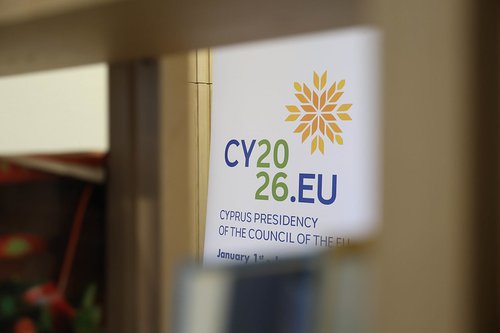
Science|Business article by Martin Greenacre, 8 Jan 2026
Cyprus wants to reach a ‘partial general approach’ on the next Framework Programme by the end of June
Cyprus is hoping EU governments will reach an agreement on key elements of the 2028-34 Horizon Europe programme during its six-month presidency of the EU Council, which began on January 1.
By the end of June, the presidency expects to reach a “partial general approach” on Horizon Europe, a document which will outline the Council’s position on the main aspects of the programme. This will exclude budgets, monitoring and provisions that relate to the upcoming European Competitiveness Fund, a spokesperson for the Cypriot government told Science|Business.
The country holding the Council presidency has an important role to play in chairing meetings and steering negotiations, acting as an honest broker between the 27 member states.
Discussions on the research Framework Programme will continue alongside overall negotiations for the next long-term EU budget. According to its programme, Cyprus hopes to deliver a “well-developed, mature negotiating box with indicative figures.” This document will guide negotiations between national leaders, and means we should get a first idea of the envelope EU governments want to allocate to Horizon Europe.
Innovation gap
According to its plan for the next six months, the Cypriot government will “strive to promote a balanced EU [research and innovation] landscape that fosters excellence, reduces innovation gaps across Member States, and supports deeper integration of the single market.”
The Danish presidency, which kicked off Horizon Europe negotiations last year, “bracketed” parts of the Horizon Europe proposal, including articles related to the Widening funding scheme, which aim to reduce the R&D performance gap between member states, The “bracketing” means parts of the proposal will be discussed by an “ad hoc working party” on the multiannual budget, effectively putting the future of Widening measures in the hands of finance ministries. This has prompted concerns the scheme could be used as a bargaining chip in broader negotiations.
Eszter Lakos, MEP for the European People’s Party and founder of an informal Widening task force within the Parliament, told Science|Business she hopes the Cypriot presidency will take Widening out of the brackets and put it on the agenda of the research working party, the Council body where issues related to Horizon Europe are usually discussed before being put to ministers.
Asked about the presidency’s plans for the Widening talks, the spokesperson said, “It is currently at the ad hoc working party. The future remains to be seen."
Cyprus is one of 15 member states eligible to participate in Widening actions. However, under the Commission’s proposal for the future programme, it would join a new group of “transition” countries that have demonstrated progress in research performance and participation in Horizon Europe. These countries would be excluded from future capacity-building measures.
Other files
Beyond Horizon Europe negotiations, Cyprus hopes to advance initiatives that will help innovative companies to scale up and enhance access to funding, including the EU Innovation Act, which the Commission is due to present in the first quarter of the year.
The programme also includes plans to negotiate a revision of the Research Fund for Coal and Steel, which awards grants to universities, research centres and companies.
“Emphasis will also be placed on the importance of international R&I partnerships, promoting science diplomacy in alignment with the EU Global Gateway and the Strategic Agenda 2024–2029,” the Cypriot programme says.
Elsewhere, research and innovation actors should keep an eye on discussions between ministers responsible for trade and industry. Here, the Cypriot presidency is aiming to advance discussions on the European Competitiveness Fund, and to address barriers to the single market.
Cyprus will also kickstart the Council’s work on the 28th regime, an upcoming plan by the Commission to roll out an EU-wide company status which would make it easier for start-ups and scale-ups to grow across borders. The Commission proposal is due in the first quarter of the year.
To read the original article on the Science|Business website, click here.