21 Apr 2026
Council adopts new rules to boost sustainable and competitive EU food systems
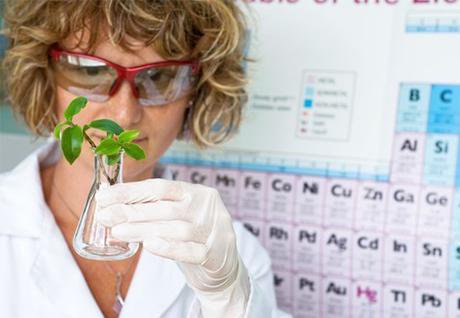
On 21 April 2026, the Council of the EU adopted new rules on genomic techniques (NGTs), establishing a framework to support a more competitive and sustainable EU agrifood sector.
The regulation is designed to enhance food security, reduce external dependencies and ensure a level playing field for European operators, while maintaining high standards for human and animal health and environmental protection. It also supports EU sustainability objectives by enabling the development of more resilient and resource-efficient crops.
The regulation distinguishes between two categories. Category 1 (NGT-1) plants are considered equivalent to conventional varieties. National authorities will verify their status, but their offspring will not require further checks. Category 2 (NGT-2) plants with more complex genetic modifications. These remain subject to existing EU GMO legislation, including authorisation, traceability and mandatory labelling.
While patent rules remain governed by the EU Biotech Directive, the regulation introduces new transparency measures. Developers of NGT-1 plants must provide information on relevant patents in a public database and may voluntarily indicate licensing intentions under fair conditions.
An expert group will be established to assess the impact of patents on NGT plants. Within one year of the regulation’s entry into force, the Commission will publish a study on patenting effects on innovation, seed availability and sector competitiveness, and propose follow-up actions if needed.
The text still needs to be formally adopted by the European Parliament.
For more information: