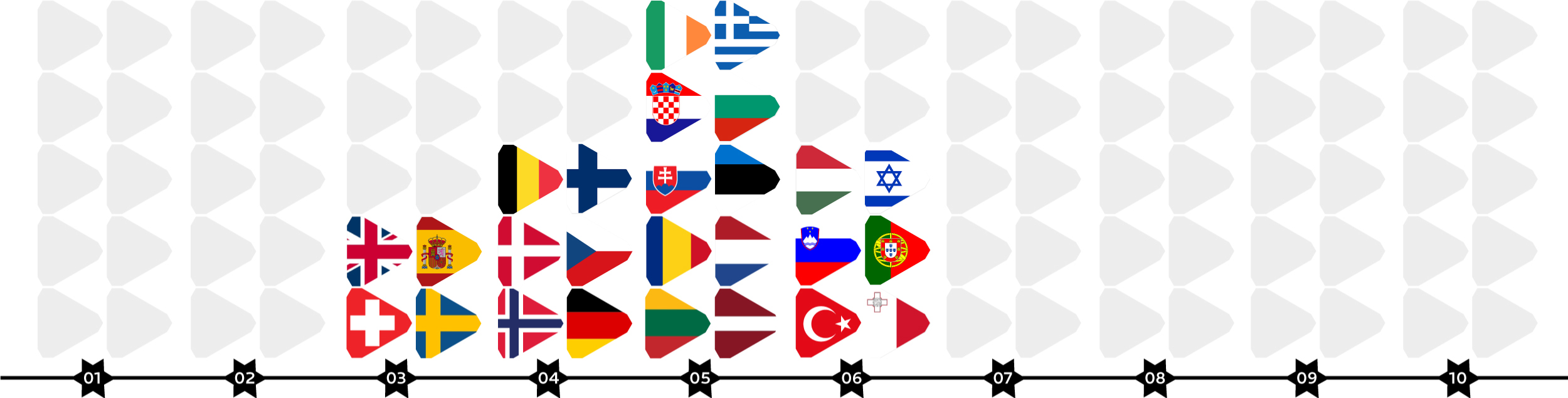
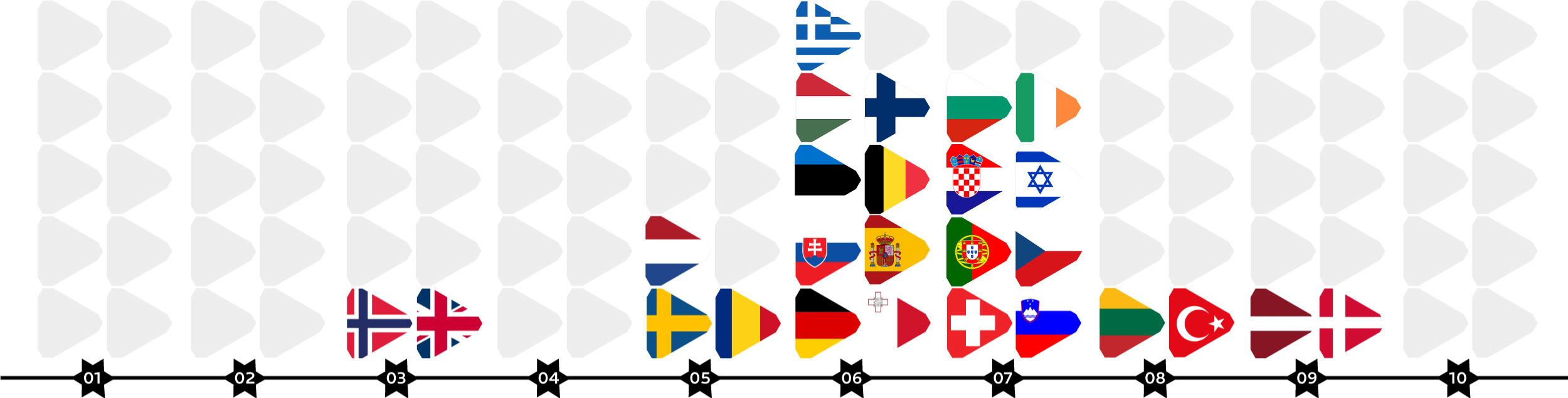
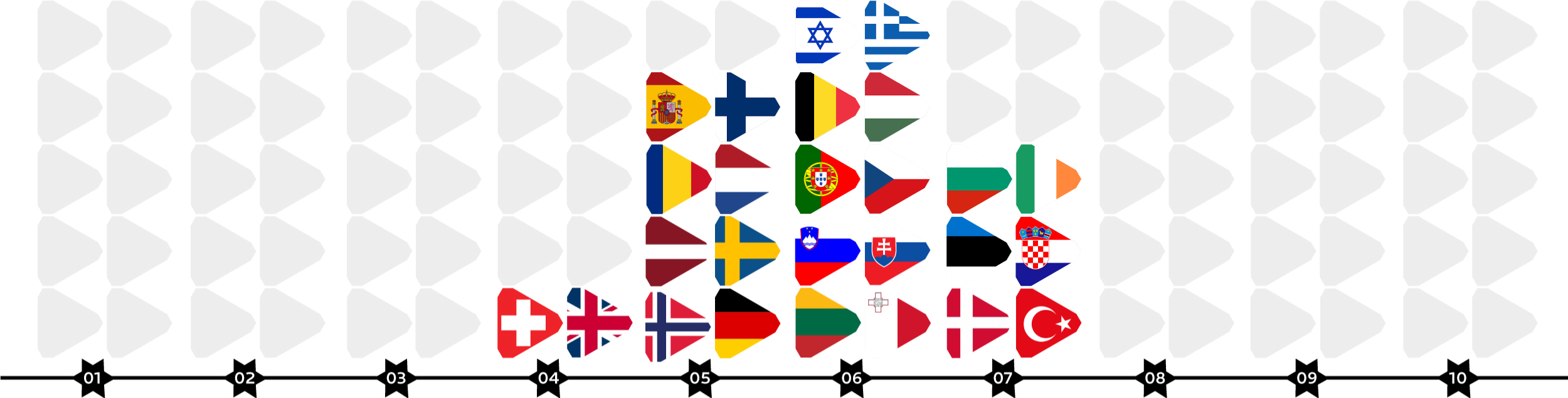
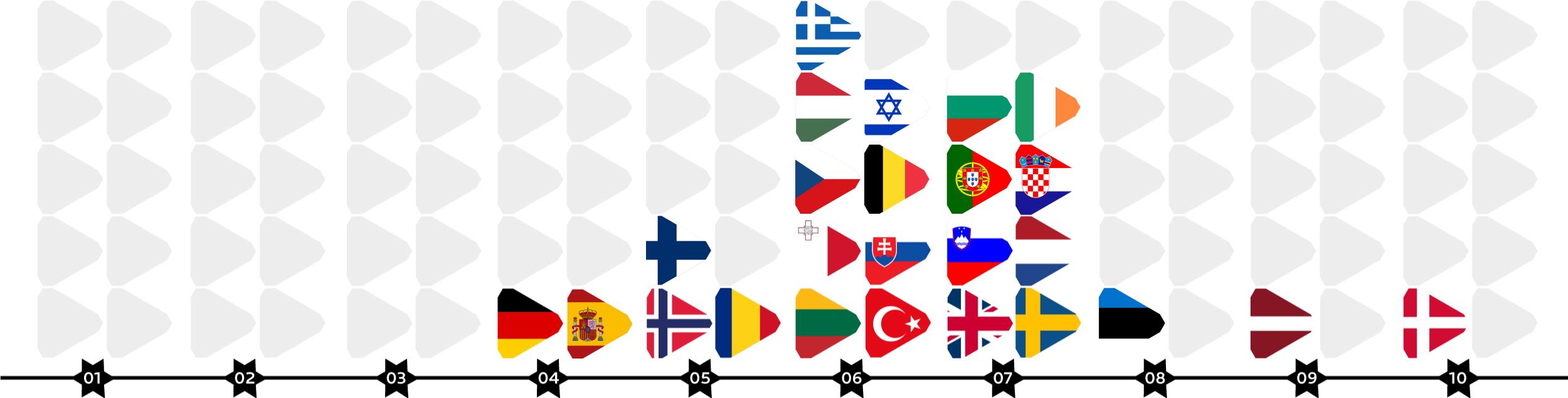
| Norway |
Increase funding for ERC, Address digital and green transitions, Prioritize strategic
alignment. |
| Lithuania |
Increase overall budget, Dedicated budget for unforeseen needs, Expand Widening
participation |
| Switzerland |
Secure FP10 budget, Focus on R&I activities, Maintain or increase ERC and MSCA budgets. |
| Germany |
Adequate budget for R&I, Focus on key technologies, ensure strategic flexibility |
| Latvia |
Double Widening budget, Balance TRL funding, prevent high-TRL budget shifts |
| Denmark |
Predictable funding for ERC and MSCA, Reduced number of partnerships budget, Allocate
mission funding outside FP10 |
| Sweden |
Stable and long-term budget, restructuring only in exceptional cases, increase interaction
and synergies |
| United Kingdom |
Focus on R&I funding, maintain ERC and MSCA budgets, balance grants and equity finance |
| Türkiye |
Improvements in the budget allocation, particularly for widening measures and overall
participation, emphasis on
adequate financial support |
| Romania |
Need for a coordinated and substantial budget to support high-quality research and
innovation while maintaining current
structures |
| Malta |
Significant increases in funding, especially for widening participation, and calls for
simplification and clarity in
budget allocation |
| Slovenia |
Slovenia advocates for an increased and stable budget allocation, particularly for widening
measures and collaborative projects. |
| The Netherlands |
Stresses the importance of a stable budget for achieving FP10 goals, calls for increased
funding to address challenges. |
| Slovakia |
Call for a stable and increased budget, emphasizing the need for adequate funding while
supporting the current
structure. |
| Spain |
Emphasizes maintaining and increasing the FP budget for stability and excellence in R&I, positioning towards continuity
rather than change. They stress funding aligned with current objectives without radical alterations |
| Portugal |
Supports significantly increased funding and better coordination, leaning towards substantial improvement and change in
budget management. |
| Czech Republic |
Advocates for stable funding with simplified processes, emphasizing continuity while making incremental improvements. |
| Estonia |
Estonia seeks balanced funding between basic and applied research, emphasizing efficient use of resources, balancing
both continuity and some change. |
| Croatia |
Croatia emphasizes a simplified, predictable budget but calls for substantial investments, suggesting a moderate blend
of continuity with some necessary changes. |
| Belgium |
Advocates for a stable and dedicated budget for R&I, maintaining the current pillar structure and distribution,
emphasizing continuity. |
| Austria |
Austria emphasizes the need for an adequate and stable budget aligned with the program’s ambitions. |
| Hungary |
Hungary supports a strong and stable budget with flexibility to align with strategic goals but leans slightly towards
change to ensure balanced participation and competitiveness. |
| Israel |
Israel advocates for a unified framework with increased funding for frontier research and EIC expansion, focusing on
strategic investments, indicating moderate change. |
| Bulgaria |
Bulgaria emphasizes a stable budget proportionate to FP10's goals but calls for addressing widening gaps and
administrative simplification, balancing continuity and moderate changes. |
| Finland |
Finland supports increasing R&I funding to strengthen competitiveness but focuses on maintaining excellence and private
investment roles, reflecting moderate continuity. |
| Ireland |
Ireland advocates for maintaining a ring-fenced, well-funded Framework Programme to preserve Europe’s excellence,
suggesting a strong alignment with continuity. |
| Greece |
Greece calls for increased and stable funding for FP10, focusing on synergies and balanced distribution, aligning with
moderate change while reflecting current structures. |
| Norway |
Maintain excellence as main principle, attract best minds globally, focus on high-impact
research |
| Lithuania |
Focus on attracting top talent, promote excellence in all regions, integrate fundamental
research |
| Switzerland |
Excellence as key criterion, support curiosity-driven research, promote international
competition |
| Germany |
Preserve excellence in project selection, fund pioneering innovations, balance relevance and
impact |
| Latvia |
Excellence in Widening countries, fund smaller projects, balance TRL levels funding |
| Denmark |
Excellence as foundation for FP10, open competition for best applicants, introduce stringent
excellence definition |
| Sweden |
Excellence drives research quality, maximize budget efficiency, implement open science
incentives |
| United Kingdom |
Excellence core of FP10, support for entire research pipeline, set clear thematic priorities
|
| Türkiye |
Desires improvements in quality and accessibility; stronger push for change. |
| Romania |
Recognizes importance of excellence; moderate desire for adjustments. |
| Malta |
Advocates increased funding with strong desire for change; focuses on inclusivity. |
| Slovenia |
Aligns with excellence notion; seeks fair evaluations indicating moderate desire for change.
|
| The Netherlands |
Seeking excellence while exploring new synergies; slight inclination for improvements. |
| Slovakia |
Maintains excellence; emphasizes improvements in evaluation processes. |
| Spain |
Spain emphasizes maintaining and reinforcing excellence as a core principle, arguing for more budget allocation and
continuity in the high standards of the program. |
| Portugal |
Advocates for maintaining high standards of excellence while introducing new, more open and curiosity-driven research
approaches, indicating a lean towards evolution and enhancement. |
| Czech Republic |
Supports continuity in excellent research through instruments like the ERC and MSCA, emphasizing stable conditions and
balanced support for excellent science and innovation. |
| Estonia |
Highlights the importance of excellence in both basic and applied research, aiming to make ERC grants more attractive and
accessible, combining continuity with gradual improvement. |
| Croatia |
Supports the principle of excellence through robust interdisciplinary research, flexibility, and synergies, advocating
for empowerment and support of frontier blue-sky research while seeking some enhancements. |
| Belgium |
Emphasizes maintaining high standards of excellence, supporting existing structures like ERC and MSCA with slight
enhancements. |
| Austria |
Austria strongly supports maintaining and strengthening excellence through instruments like the ERC and MSCA,
emphasizing continuity in fostering top-tier research. |
| Hungary |
Hungary emphasizes inclusiveness while preserving excellence as a core principle, suggesting slight adjustments to
ensure balanced participation without compromising quality. |
| Israel |
Israel prioritizes scientific excellence, advocating for increased investment in the ERC and expanding frontier research
funding, firmly supporting continuity in excellence-driven policies. |
| Bulgaria |
Bulgaria supports excellence as the foundation of FP10 but emphasizes closing gaps in participation with slight
adjustments, balancing excellence with inclusivity. |
| Finland |
Finland stresses the principle of excellence as fundamental, opposing widening-specific measures within FP10, indicating
a preference for continuity with minimal changes. |
| Ireland |
Ireland sees excellence as central to FP10, emphasizing the continuation of ERC and MSCA programs and transnational
collaboration, advocating strong continuity. |
| Greece |
Greece highlights excellence as the core principle, supporting a merit-based process, but calls for balanced funding
across research types, suggesting slight modifications. |
| Norway |
Simplify instruments and procedures, reduce administrative burden, continuously improve
processes |
| Lithuania |
Streamline administrative procedures, introduce lump-sum funding, mitigate evaluation biases
|
| Switzerland |
Simplify participation process, evaluate new tools carefully, ensure level playing field
|
| Germany |
Further streamline processes, examine lump-sum funding, simplify application procedures |
| Latvia |
Continue simplification efforts, increase transparency, blind evaluation welcomed |
| Denmark |
Simplification is crucial, reduce bureaucratic burdens, merge similar programs |
| Sweden |
Simplify application processes, reduce reporting requirements, harmonize regulations |
| United Kingdom |
Reduce administrative burdens, streamline application process, clarify evaluation criteria
|
| Türkiye |
- |
| Romania |
Need for clarity and reduction of complexity in procedures |
| Malta |
Clearer and less burdensome application processes |
| Slovenia |
Reducing administrative burdens and simplifying application processes |
| The Netherlands |
Clear processes and administrative simplification to enhance participation |
| Slovakia |
Enhanced simplification and rationalization of various instruments while advocating for
user-friendly access. |
| Spain |
Spain supports simplifying administrative processes while maintaining efficiency and resource impact, indicating a
balanced approach between continuity and change. |
| Portugal |
Calls for dramatic reduction in complexity, streamlined processes, and user-friendly digital tools, strongly advocating
for significant change in simplifying the program |
| Czech Republic |
Emphasizes the need for drastic simplification of administrative barriers, funding systems, and proposal processes,
leaning heavily towards substantial transformation |
| Estonia |
Strongly supports simplifying intervention logic and procedures and reducing administrative burdens, advocating for
considerable changes |
| Croatia |
Advocates for simplified application processes, reduced administrative burdens, and expanded lump sum funding, signaling
a high preference for change. |
| Belgium |
Belgium supports significant simplification efforts, reducing administrative burdens, and enhancing transparency. |
| Austria |
Calls for significant simplification, including reduced administrative burdens, shorter time-to-grant, streamlined
application processes, and broader calls (possibly implemented via two-stage-calls); the EU's Funding and Tenders'
Portal should serve as a one-stop-shop. |
| Hungary |
Strongly emphasizes profound simplification, including shorter time-to-grant periods, streamlined proposals, and reduced
bureaucracy, indicating significant transformation. |
| Israel |
Supports simplifying application and reporting processes, promoting two-stage calls, and reducing rigid requirements,
advocating considerable simplification changes. |
| Bulgaria |
Stresses deep simplification, including streamlined governance, reduced bureaucratic burdens, and expanded lump sum use,
making simplification a core priority. |
| Finland |
Highlights the need for reduced administrative and regulatory burdens, streamlined processes, and faster decision-making
for projects, advocating considerable changes. |
| Ireland |
Calls for streamlining instruments, reducing administrative burdens, and sunsetting ineffective initiatives, strongly
pushing for significant simplification reforms. |
| Greece |
Supports simplifying funding mechanisms, reducing complexity, and enhancing accessibility to boost efficiency,
advocating considerable simplification. |
| Norway |
Strengthen ERC budget, ERC crucial for research excellence, support early-stage studies |
| Lithuania |
Increase support for ERC, Promote research excellence, instrument for international
collaboration |
| Switzerland |
Continue ERC support, crucial for disruptive innovations, foundation of value chain. |
| Germany |
Ensure ERC funding, enable pioneering research, ERC as innovation foundation |
| Latvia |
ERC supports talent, important for research excellence, useful in Widening countries |
| Denmark |
Continue supporting ERC, ERC crucial for curiosity-driven research, ERC remains "Crown
Jewel." |
| Sweden |
Support for fundamental research, crucial for scientific excellence, apply ERC to Euratom
|
| United Kingdom |
ERC for groundbreaking science, supports excellence-driven projects, Foundation of Europe's
reputation |
| Türkiye |
Wants better accessibility and structural reforms for underrepresented countries. |
| Romania |
Recognizes the ERC's importance; balanced desire for reform. |
| Malta |
Highlights need for increased support from the ERC for smaller Member States. |
| Slovenia |
Supports ERC's focus on excellence with calls for improved access. |
| The Netherlands |
Prioritizes ERC funding while suggesting minor adjustments. |
| Slovakia |
Appreciates ERC's contributions; calls for broader support. |
| Spain |
Supports maintaining and strengthening the ERC's independent structure and long-term funding, emphasizing continuity |
| Portugal |
Advocates for expanded ERC funding and enhanced international cooperation while maintaining its bottom-up approach,
leaning towards continuity with some enhancements |
| Czech Republic |
Emphasizes the importance of continuing ERC's support for excellent science and increasing funding for interdisciplinary
projects, advocating continuity with incremental improvements |
| Estonia |
Highlights the need to enhance the attractiveness and accessibility of ERC grants, focusing on continuity with some
improvements in reach and accessibility |
| Croatia |
Supports the high standards of ERC, advocating for specific grants for fundamental research for widening countries,
indicating continuity with slight enhancements |
| Belgium |
Supports maintaining the ERC’s independence and excellence, advocating for continuity with slight enhancements. |
| Austria |
Strongly supports the ERC's strategic independence and focus on frontier research, advocating for continuity and for
strengthening its successful structure. |
| Hungary |
Supports preserving and slightly enhancing ERC funding while addressing participation imbalances and encouraging
inclusivity, indicating slight adjustments. |
| Israel |
Prioritizes increased investment in the ERC, emphasizing its role in funding frontier, curiosity-driven research, and
maintaining scientific excellence, advocating strong continuity. |
| Bulgaria |
Supports expanding ERC Synergy Grants and enhancing accessibility for widening countries, suggesting slight changes to
promote more balanced participation while retaining core principles. |
| Finland |
Highlights the ERC's autonomy and its critical role in fostering top-tier science, aligning with strong continuity in
maintaining excellence-focused funding. |
| Ireland |
Emphasizes the importance of protecting the ERC's independence and increasing its funding, advocating strongly for
continuity in supporting frontier research. |
| Greece |
Supports bolstering ERC funding and maintaining excellence as a core criterion but also emphasizes expanding grant
opportunities, proposing slight changes. |
| Norway |
Continue three-pillar structure, Strengthen pillar 2 responsiveness, include lower TRL
levels |
| Lithuania |
Pillar 2 address societal challenges, increase funding for collaborative research, support
dual-use technologies |
| Switzerland |
Facilitate excellence-based collaboration, strengthen interdisciplinary projects, integrate
SSH |
| Germany |
Strengthen cross-border cooperation, focus on digital and sustainable transformation,
balance between small and large
projects |
| Latvia |
Continue focus on Pillar 2, address widening R&I gaps, balance TRL funding |
| Denmark |
Retain three-pillar structure, enhance RIA and IA balance, upscale strategic research |
| Sweden |
Maintain current pillar structure, strong interdisciplinary collaboration, address
sustainability and societal
challenges |
| United Kingdom |
Preserve three-pillar architecture, support multinational consortia, address global
challenges |
| Türkiye |
More targeted calls for collaborative research projects and emphasizes participation from
underrepresented countries |
| Romania |
A balanced approach in Pillar 2 funding and emphasizes the need for effective collaborative
mechanisms |
| Malta |
Increase in funding for collaborative calls under Pillar 2 to address complex challenges and
promote involvement of
smaller Member States |
| Slovenia |
Need for balanced funding in Pillar 2 to effectively tackle societal challenges, |
| The Netherlands |
Supports collaborative research across the knowledge chain and emphasizes the importance of
cross-sector collaborations |
| Slovakia |
Retaining the focus on collaborative projects in Pillar 2 while promoting improved linkages
across the pillars |
| Spain |
Emphasizes the importance of Pillar II for transnational collaborative R&I, supporting a review of clusters to improve
integration and efficiency, leaning towards continuity with structured enhancements. |
| Portugal |
Calls for a balance between top-down and curiosity-driven calls, advocating for integrating diverse disciplines and
addressing multi-disciplinary challenges, suggesting moderate change with continuity. |
| Czech Republic |
Supports maintaining the structure of Pillar II while calling for a balance between bottom-up and top-down proposals,
leaning towards moderate continuity with incremental improvements. |
| Estonia |
Supports balanced sectoral objectives in Pillar II, emphasizing coordination with EU priorities and strategic focus areas
like AI and cybersecurity, indicating a balanced approach. |
| Croatia |
Supports a more focused and less fragmented Pillar II to directly address industrial, technological, and societal
demands, calling for moderate but strategic changes based on continuity principles. |
| Belgium |
Supports maintaining Pillar 2's structure while enhancing synergies and interdisciplinary collaboration, favoring
moderate continuity with improvements. |
| Austria |
Supports the further promotion of transnational and inter-sectoral collaborative research and suggests improvements to
the implementation and monitoring of EU partnerships |
| Hungary |
Hungary emphasizes reducing overprogramming, simplifying calls, and integrating more newcomers, advocating moderate
changes to make Pillar 2 more accessible and efficient. |
| Israel |
Advocates for a more flexible, bottom-up approach in Pillar 2 with small-scale consortia and greater inclusivity for
broader participation, recommending moderate changes. |
| Bulgaria |
Supports retaining the three-pillar structure but advocates for more flexibility and balance in Pillar 2 to ensure
greater EU-added value and accessibility, indicating modest changes. |
| Finland |
Values collaborative research but stresses technology neutrality and private sector involvement, advocating for
adjustments while maintaining stability, favoring moderate continuity. |
| Ireland |
Highlights the need for better interlinkages between pillars and fewer, larger calls, advocating modest changes to
enhance coordination and implementation efficiency. |
| Greece |
Greece supports improved synergies, funding stability, and flexibility in Pillar 2, emphasizing balanced adjustments to
address socioeconomic challenges across disciplines. |
| Norway |
Further develop missions, include R&I and implementation pillars, supported by sectoral
programs |
| Lithuania |
Rethink mission implementation, lift missions out of FP, relaunch at MFF level |
| Switzerland |
Non-R&I governance outside FP10, focus on transformative impacts, closer coordination needed
|
| Germany |
Review of EU Missions, more focused, cross-programme approach, Member state collaboration
crucial |
| Latvia |
Remove missions from FP10, introduce 25% funding cap, sectoral DG and ministry
responsibility |
| Denmark |
Relaunch missions outside FP10, proper EU missions with own legislation, cross-programme
support |
| Sweden |
Evaluate missions thoroughly, ensure relevance and effectiveness, adjust or remove if
necessary |
| United Kingdom |
Support EU Missions continuation, improve governance transparency, ensure stakeholder
involvement |
| Türkiye |
Comprehensive review of missions, suggests they be funded separately |
| Romania |
Supports the existing framework for missions while suggesting they integrate more
effectively with societal objectives |
| Malta |
Simplify the mission structure and enhance funding sources to address societal challenges
|
| Slovenia |
Re-evaluation of missions to ensure relevance and effectiveness, advocating for
transformational change in their
structure. |
| The Netherlands |
Supports missions but promotes a balanced approach featuring open strategic autonomy and
effective governance |
| Slovakia |
Supports a mission-oriented approach while emphasizing simplification and effective
governance |
| Spain |
Acknowledges missions as important but suggests improving coordination and synergies with other EU funds, leaning towards
moderate change to enhance their impact. |
| Portugal |
Supports a thorough review of missions, advocating for better alignment with sectoral objectives and integration with
other funding sources, indicating a preference for considerable change. |
| Czech Republic |
Emphasizes the need for new forms of governance and collaboration, calling for better implementation strategies and
stronger political support, suggesting significant change. |
| Estonia |
Supports missions but stresses simplification and aligning them with sectoral objectives managed by relevant
Directorates-General, indicating a moderate change focus. |
| Croatia |
Advocates for significant simplification and better alignment of missions with other EU programs and national sources,
emphasizing considerable change. |
| Belgium |
Recognizes the significant value of the mission approach but suggests revising governance to enhance coordination across
existing programs and instruments. They favor reorienting missions as a strategic planning process |
| Austria |
Supports a mission-oriented approach but emphasizes simplifying accompanying societal processes and improving interfaces
with other funding programs |
| Hungary |
Highlights the need for clearer governance, streamlined processes, and better inclusiveness in missions, advocating
moderate change for improvement and alignment. |
| Israel |
Recommends reorienting mission design to reduce barriers and integrate small-scale participants, advocating considerable
changes to enhance impact and inclusiveness. |
| Bulgaria |
Supports lifting missions out of FP10 to ensure alignment with broader EU programs, advocating for significant
governance and structure changes. |
| Finland |
Emphasizes improved governance and increased alignment with EU goals in funding missions, advocating moderate changes to
clarify roles and increase efficiency. |
| Ireland |
Calls for an MFF-wide approach to missions with appropriate governance and coordination, advocating for considerable
changes to ensure their broader success. |
| Greece |
Supports separating mission governance from FP10, emphasizing the need for coordination and aligned funding, indicating
moderate change for clearer implementation. |
| Norway |
Fewer, more targeted partnerships, balance with collaborative projects, simplify rules and
procedures |
| Lithuania |
Limited number of partnerships, clear phase-out strategies, ensure European added value |
| Switzerland |
Partnerships must be excellence-based, simplify establishment and implementation, ensure
transparency and effectiveness |
| Germany |
Limit number of partnerships, ensure strategic use, simplify and integrate |
| Latvia |
Strategic focus for partnerships, avoid thematic overlap, balance with open calls |
| Denmark |
Reduce number of partnerships, transparent and limited selection, simplify processes |
| Sweden |
Simplify and clarify partnerships, align with Member States, ensure complementarity |
| United Kingdom |
Continue European Partnerships, increase transparency, simplify administrative structures
|
| Türkiye |
Supports a more flexible approach to partnerships and emphasizes the need for enhanced
cooperation with emerging
countries |
| Romania |
Recognizes the importance of partnerships but calls for their effectiveness and more
significant roles in addressing
shared goals |
| Malta |
Need to streamline partnership processes and ensure inclusivity |
| Slovenia |
Enhance the efficiency of partnerships and avoid redundancies |
| The Netherlands |
Supports the role of partnerships in pooling resources and enhancing collaboration but calls
for a more strategic focus |
| Slovakia |
Strengthening partnerships as a key mechanism, advocates for clearer goals and improved
collaboration |
| Spain |
Supports maintaining European Partnerships but calls for improved coordination and simplification, indicating a balanced
approach with both continuity and moderate improvements. |
| Portugal |
Advocates for a focus on key priorities and reducing overlaps, emphasizing better management and alignment with ERA
goals, suggesting moderate change. |
| Czech Republic |
Calls for clearer definitions of scope and objectives, enhanced cooperation with Member States, and sustainability of
partnerships, indicating a preference for moderate change. |
| Estonia |
Supports reducing the number of EU Partnerships and enhancing efficiency, with better alignment and simplified
management, advocating for considerable change. |
| Croatia |
Emphasizes the need for comprehensive revision and simplification of partnerships, better synchronization with other
funding sources, and proactive engagement, indicating considerable change. |
| Belgium |
Views European Partnerships as effective but calls for reducing their number and streamlining the partnership ecosystem to
avoid duplication and fragmentation, advocating for considerable change. |
| Austria |
Supports partnerships but calls for improvements in transparency, evaluation, implementation and synergies;
implementation rules should be transparent and coherent for beneficiaries as well as for the implementing EU agencies
(avoid different rules from different agencies) |
| Hungary |
Emphasizes reducing administrative burdens and improving inclusiveness and governance in partnerships, advocating
moderate changes to streamline their effectiveness. |
| Israel |
Highlights issues in co-funded partnerships, urging simplified access mechanisms and reduced national funding barriers,
advocating moderate structural changes. |
| Bulgaria |
Stresses the need for partnership rationalization, transparency, and streamlined governance, advocating considerable
change for greater inclusivity and efficiency. |
| Finland |
Calls for improving alignment and synergies within partnerships while minimizing duplication, advocating balanced
adjustments rather than fundamental changes. |
| Ireland |
Stresses the need for a major overhaul and rationalization in the number and governance of partnerships, advocating
significant changes to improve impact and transparency. |
| Greece |
Supports simplifying partnerships, addressing governance issues, and ensuring accessibility, advocating moderate changes
to improve effectiveness. |
| Norway |
EIT instruments are below average, KICs are not accessible enough, improvements and continuation necessary |
| Lithuania |
EIT should create clear European added value, strategies to phase out weak KICs
|
| Switzerland |
Does not explicitly mention EIT |
| Germany |
Reduce number and complexity of partnerships, integrate KICs into strategic portfolio management |
| Latvia |
Dissolve EIT in its current form, phase out KICs gradually, transfer functions to EIC and Erasmus+ |
| Denmark |
Abolish EIT, plan for self-sustaining KICs, strengthen EIC, integrate associated tasks into new structure |
| Sweden |
Gradually make EIT/KICs self-financed, finance specific FP10 KIC projects, ensure financial sustainability of KICs. |
| United Kingdom |
Transform EIT and KICs, improve transparency and prioritization, make KICs financially sustainable |
| Türkiye |
Türkiye is calling for significant changes to the structure and processes of the EIT. The emphasis on low membership
fees and simplified registration processes shows a clear desire for reform. |
| Romania |
Romania emphasizes the need for a strong and effective EIT while recognizing the importance of integrating it into the
overall strategy of the FP10. suggests improvements in cooperation and the effectiveness
|
| Malta |
Emphasizes the need for increased funding and more accessible mechanisms within the EIT. Necessity of tailored support
for smaller member states |
| Slovenia |
Need for better integration with the overall framework programs and streamlined processes for participation, need to
make it more accessible for stakeholders, especially from Widening countries. |
| The Netherlands |
EIT must adapt to improve accessibility for all stakeholders. Streamlining membership processes and reducing fees is
necessary. |
| Slovakia |
Need for enhancements within the EIT structure to better align with the overall goals of the FP10. Make the EIT more
accessible to stakeholders, particularly from smaller and less experienced Member States |
| Spain |
Advocates for promoting the EIT and the KICs but calls for better alignment and ensuring synergies with other parts of
the program, suggesting moderate continuity with improvements |
| Portugal |
Supports the EIT but emphasizes transparency, harmonization, and integration with other EU programs, advocating for
considerable change to enhance its efficiency and impact. |
| Czech Republic |
Suggests that EIT could potentially operate independently of FP10 but, if continued within FP10, calls for better
alignment and synergies with the EIC, indicating moderate change. |
| Estonia |
Supports merging the tasks of the EIT and EIC to reduce overlaps and increase efficiency, suggesting significant change. |
| Croatia |
Calls for simplifying and redefining the EIT's role, ensuring better alignment and reducing duplication with other
innovation activities, advocating for considerable change. |
| Belgium |
Recognizes the value of the European Institute of Innovation and Technology (EIT) but advocates for better alignment with
other Horizon Europe instruments, particularly the EIC, and suggests reducing administrative burden |
| Austria |
The EIT/KICs should be monitored along with the other EU partnerships; synergies with the EIC should be exploited; no
new KICs should be established. |
| Hungary |
Emphasizes preserving the EIT's independence while enhancing complementarity and inclusiveness, suggesting moderate
changes. |
| Israel |
Supports maintaining the EIT’s role but highlights issues of integration and accessibility, advocating moderate
improvements. |
| Bulgaria |
Calls for significant changes, focusing on complementarity and scaling startups through EIT mechanisms, pushing for
impactful adjustments. |
| Finland |
Cautiously supports the EIT and emphasizes improvements without proposing drastic changes. |
| Ireland |
Questions the EIT’s current structure and calls for significant changes to improve efficiency and address overlaps. |
| Greece |
Advocates for moderate changes to improve complementarity between the EIT and other EU tools. |
| Norway |
Strengthen EIC instruments, lLink pillar 1 and 2 projects, streamline and rationalize
funding |
| Lithuania |
EIC-Potential clear, ensure continuum of support, link Horizon outputs to EIC |
| Switzerland |
ERC-to-EIC transition encouraged, EIC Accelerator crucial, continue proven instruments |
| Germany |
Strengthen EIC Pathfinder, EIC Transition funding crucial, Link EIC with start-up programs
|
| Latvia |
Shift EIT roles to EIC, EIT head office for EIC functions, comprehensive integration of
innovation |
| Denmark |
Continue and improve EIC, discontinue EIT, merge similar programs for synergy |
| Sweden |
EIC to remain and strengthen, focus on high-risk projects, balance support and
market-oriented innovation |
| United Kingdom |
Continue EIC Pathfinder, fund scaling-up via EIC Accelerator, address legal issues in EIC
funding |
| Türkiye |
Calls for dedicated funding for underrepresented countries and more accessibility within the
EIC |
| Romania |
Supports the EIC but emphasizes the need for accessible opportunities for all countries |
| Malta |
Increased funding opportunities within the EIC, especially for smaller Member States |
| Slovenia |
Strengthen the EIC with greater focus on collaboration and increased funding mechanisms |
| The Netherlands |
Emphasizes the importance of the EIC while advocating for better links to existing funding
structures |
| Slovakia |
Better integration of the EIC within broader EU funding mechanisms while recognizing the
need for enhancements |
| Spain |
Supports strengthening the disruptive role of the EIC, improving visibility, and supporting innovation with a moderate
emphasis on change, balancing continuity with enhancements. |
| Portugal |
Emphasizes expanding EIC support for disruptive innovation and aligning with the EIF activities, advocating for
considerable change to boost impact and efficiency. |
| Czech Republic |
Calls for continuing successful instruments like EIC Pathfinder and Accelerator while addressing issues in current
schemes, indicating moderate change for optimization and efficiency. |
| Estonia |
Supports reducing overlaps by merging EIC with other innovation bodies and enhancing overall efficiency, advocating for
considerable change. |
| Croatia |
Supports fine-tuning EIC instruments, increasing access, balancing participation, and addressing differences in
innovation maturity across regions, indicating considerable change. |
| Belgium |
Supports strengthening the EIC by improving leverage tools, enhancing access for innovative SMEs, and ensuring better
alignment with national and regional investors |
| Austria |
Acknowledges the EIC as an instruments that meets strong demand from innovators; advocates for establishing better
pipelines between instruments within the EIC and with other areas of the FP as well as with other EU funding programmes; |
| Hungary |
Proposes expanding the EIC, simplifying processes, and increasing funding to promote access and disruptive innovations,
indicating significant changes. |
| Israel |
Advocates for increasing the EIC budget to support disruptive innovations and reduce oversubscription, favoring moderate
to significant changes. |
| Bulgaria |
Supports the EIC’s role with further simplifications, accelerated processes, and greater risk-tolerance, reflecting
moderate adjustments. |
| Finland |
Emphasizes fostering disruptive innovations with faster processes and scaling opportunities, proposing significant
changes. |
| Ireland |
Recognizes the EIC’s value and proposes improved efficiency and flexibility for innovators, without calling for a full
redesign. |
| Greece |
Supports EIC enhancements with simplified access for early-stage innovators, proposing moderate changes. |
| Norway |
Openness to international cooperation, strategic autonomy is important, research security
emphasized |
| Lithuania |
Fostering international R&I collaboration, open as possible - closed as necessary, focus on
Ukraine and Moldova
integration |
| Switzerland |
Promote international cooperation, trusted partners emphasized, open science supported |
| Germany |
Strategic international cooperation, reduce dependence on non-aligned actors, safeguard
research sovereignty |
| Latvia |
Attractive for third-country associations, expedite Ukraine and Moldova integration,
maintain openness and strategic
restrictions |
| Denmark |
Open as possible - closed as necessary, international R&I cooperation essential, handle
geopolitical risks |
| Sweden |
Responsible internationalisation, strengthen research security, balance risks and
opportunities |
| United Kingdom |
Preserve global openness, address research security, equal participation for associated
countries |
| Türkiye |
Enhance international cooperation while establishing stricter measures for research security
and safeguarding interests |
| Romania |
Emphasizes the importance of international collaboration but also recognizes the need for
security measures |
| Malta |
Enhancing international cooperation along with research security |
| Slovenia |
Calls for a stronger focus on international partnerships while reinforcing research security
measures |
| The Netherlands |
Supports international collaboration based on shared values but emphasizes the importance of
addressing security risks |
| Slovakia |
Balancing open international collaboration with protection measures |
| Spain |
Emphasizes the importance of international cooperation with strategic allies and the need for research security protocols
to mitigate risks, advocating for moderate change to enhance security measures. |
| Portugal |
Promotes fostering strategic international partnerships while ensuring research security via specific measures and
protocols, advocating for considerable change to address current geopolitical challenges. |
| Czech Republic |
Strongly supports research security as a cross-cutting theme and calls for clear rules and enhanced cooperation with
like-minded countries, suggesting significant change to protect against illegitimate interference. |
| Estonia |
Stresses the need to strengthen cooperation with reliable partners while adhering to the EU's sanctions policy,
advocating for considerable change in terms of security and strategic partnerships. |
| Croatia |
Supports excluding collaboration with countries aiding aggression and emphasizes dual-use technology research, advocating
for considerable change to enhance international cooperation and security. |
| Belgium |
Supports balanced international cooperation and the principle of "as open as possible, as closed as necessary," while
emphasizing research security and strategic autonomy. |
| Austria |
Supports balanced and targeted international collaboration while emphasizing proportionate research security measures;
science diplomacy should be actively used; |
| Hungary |
Stresses the importance of strategic international cooperation and reducing innovation gaps while ensuring proportional
security, advocating moderate changes. |
| Israel |
Calls for full inclusion of Associated Countries and enhanced governance involvement, balancing openness with security
considerations, advocating for considerable changes. |
| Bulgaria |
Supports fostering international collaboration within EU principles but highlights the need for safeguards on sensitive
topics, advocating moderate changes. |
| Finland |
Supports trusted partner cooperation while balancing open science and research security, indicating moderate continuity. |
| Ireland |
Highlights the importance of balancing EU interests with global collaboration, advocating for moderate adjustments that
ensure openness and risk management. |
| Greece |
Supports strategic partnerships with global actors while safeguarding European interests, emphasizing moderate changes
for research security measures. |
| Norway |
Improve synergies with education and industry, promote knowledge valorisation, strengthen
science-policy interface |
| Lithuania |
Enhance science-business cooperation, optimize instruments for collaboration, support
knowledge valorisation mechanisms |
| Switzerland |
Facilitate industry collaboration, valorise knowledge from whole FP, build multisectoral
partnerships |
| Germany |
Strengthen intersectoral cooperation, improve knowledge transfer mechanisms, focus on
innovation and application |
| Latvia |
Increase science-business cooperation, focus on innovation ecosystems, promote knowledge
valorisation |
| Denmark |
Support knowledge-based innovation, foster industry-academia cooperation, merge and
streamline EU programmes |
| Sweden |
Develop innovation ecosystems, harmonise regulations for collaboration, improve knowledge
valorisation |
| United Kingdom |
Incentivise collaboration across value chains, enhance knowledge valorisation, facilitate
global market access |
| Türkiye |
Significant reforms to enhance collaboration and effective knowledge valorisation mechanisms
|
| Romania |
Promotion of intersectoral cooperation while recognizing the need for impactful knowledge
valorisation |
| Malta |
Improving knowledge valorisation and fostering intersectoral collaboration |
| Slovenia |
Highlights the importance of knowledge valorisation and intersectoral cooperation |
| The Netherlands |
Emphasizes collaboration across the knowledge chain and supports knowledge valorisation |
| Slovakia |
Need for better intersectoral links and knowledge valorisation |
| Spain |
Emphasizes the importance of improving synergies and knowledge transfer between sectors, advocating for some enhancements
and moderate changes without overhauling the current system. |
| Portugal |
Promotes better integration of research with industry, advocating for new approaches to public procurement and innovation
processes, suggesting moderate to considerable change. |
| Czech Republic |
Supports enhancing coordination and methodological support for cooperation between sectors to optimize knowledge
valorisation, indicating moderate change. |
| Estonia |
Emphasizes cooperation between R&D institutions and companies to accelerate research application, advocating for moderate
enhancements without substantial changes. |
| Croatia |
Calls for tailored support for SMEs, fostering innovation clusters, and empowering research infrastructures, advocating
for moderate to considerable change. |
| Belgium |
Emphasizes the importance of fostering synergies across different sectors and enhancing knowledge valorisation through
stakeholder engagement and interdisciplinary collaboration, |
| Austria |
Advocates for inter-sectoral collaborative research projects and for inter-sectoral mobility programmes (within MSCA). |
| Hungary |
Advocates for enhanced knowledge valorisation and fostering entrepreneurship through expanded initiatives, suggesting
significant changes. |
| Israel |
Emphasizes removing barriers to commercialization and promoting smoother transitions between research and market impact,
advocating considerable changes. |
| Bulgaria |
Calls for stronger intersectoral cooperation and improved dissemination activities, advocating moderate changes to
better connect researchers and industry.. |
| Finland |
Supports industry-research collaboration and better commercialization but stops short of advocating transformational
changes, indicating moderate adjustments. |
| Ireland |
Highlights the need for a better enabling environment for knowledge transfer and commercialization while maintaining
incremental reforms, advocating moderate changes. |
| Greece |
Supports creating effective pathways between fundamental research and innovation, focusing on moderate adjustments to
enhance knowledge valorisation. |
| Norway |
Improve synergies with sectoral EU-programs, emphasize inclusiveness, address knowledge and
innovation disparities |
| Lithuania |
Focus on closing R&I gaps, fund small/medium projects, restructure widening package |
| Switzerland |
Support excellence in weaker regions, utilize targeted support mechanisms, encourage
balanced brain circulation |
| Germany |
Target excellence in all regions, use empirical evidence for support, integration into ERA
|
| Latvia |
Double Widening budget, focus on excellence principle, apply to lower TRL projects |
| Denmark |
New approach to widening participation, separate capacity building scheme, link European and
national efforts |
| Sweden |
Inclusion focus on quality and impact, decrease number of widening countries, target
high-need countries |
| United Kingdom |
Widening inclusiveness for excellence, support underrepresented regions, Promote balanced
R&I involvement |
| Türkiye |
Substantial support for Widening measures and aims for increased financial input |
| Romania |
Supports Widening actions but seeks balanced investments and improved access for less
experienced Member States |
| Malta |
Emphasizes increasing funding for Widening Participation, particularly to enhance
participation from smaller Member
States |
| Slovenia |
Expanding Widening measures and ensuring financial allocation |
| The Netherlands |
Supports enhancing Widening Participation while emphasizing maintaining high-quality
standards |
| Slovakia |
Emphasizes the importance of Widening Participation and calls for dedicated funding and
support for underperforming
countries |
| Spain |
Emphasizes enhancing regional innovation ecosystems and ensuring balanced participation of all regions and Member States,
advocating for moderate to considerable change to improve inclusivity. |
| Portugal |
Supports dedicated funding for instruments that spread excellence and innovation across all Member States, advocating for
moderate to considerable change to achieve wider participation. |
| Czech Republic |
Emphasizes maintaining and improving successful tools like Twinning and Teaming while addressing specific needs of
widening countries, suggesting moderate to considerable change. |
| Estonia |
Strongly supports continued widening measures and tailored approaches to national R&I systems, advocating for
considerable change to close the R&I capacity gap. |
| Croatia |
Advocates for a separate dedicated pillar for widening countries and emphasizes enhanced financial support and specific
measures to boost participation |
| Belgium |
Advocates for a fresh approach to widening measures based on a thorough assessment of existing instruments, emphasizing
quality over quantity and tailored actions to address root causes of the innovation divide |
| Austria |
Austria emphasises that strong R&I systems are key to success: Member States with a strong national basis perform well
in the FP. |
| Hungary |
Strongly emphasizes the need to reduce disparities, integrate widening measures across all programs, and improve tools
like Twinning, advocating significant changes. |
| Israel |
Highlights the importance of inclusivity but focuses more on ensuring full participation for Associated Countries,
advocating moderate adjustments. |
| Bulgaria |
Calls for a substantially increased budget for widening measures and better tools for participation, advocating
significant changes. |
| Finland |
Opposes widening-specific measures within FP10, suggesting that cohesion policies should address participation gaps,
reflecting strong continuity. |
| Ireland |
Calls for nuanced widening measures informed by performance evaluation and promotes inclusivity, advocating moderate
changes. |
| Greece |
Strongly supports Widening Participation initiatives to address disparities and improve proposal success rates,
advocating significant changes. |
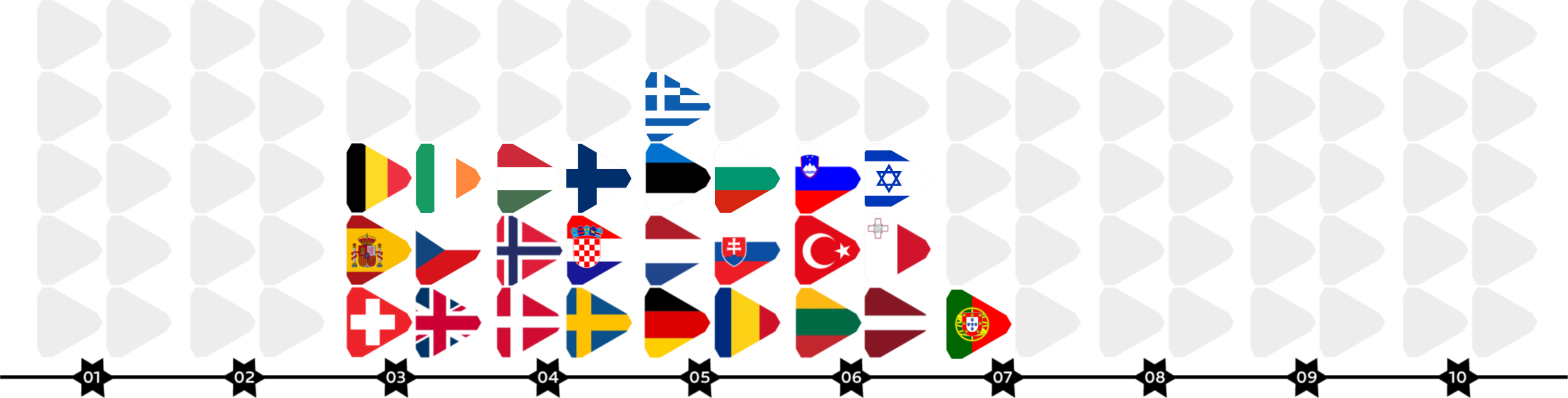
Budgets & Investments  |
The international positions of the countries on the topic of widening participation show
predominantly similar views on
the importance of appropriate budgeting and financial support, but with certain differences
in the extent of the desired
changes. While some countries call for significant increases, others focus on maintaining
existing programs. |
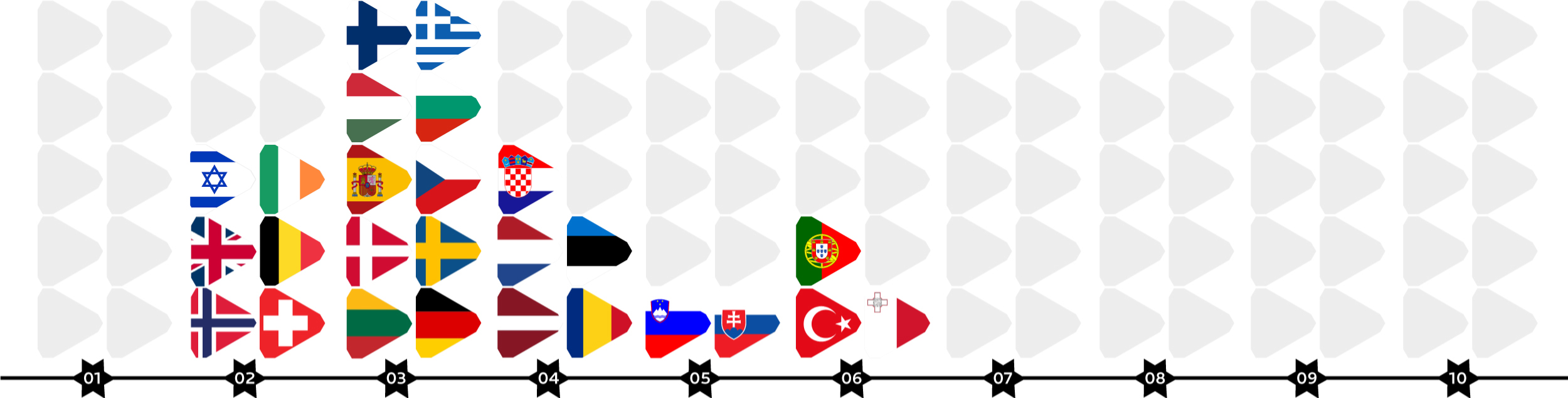
Excellence 
|
There is a high level of agreement among the countries regarding the importance of
excellence in research and
innovation. Most countries view excellence as a fundamental principle and emphasize its role
in driving quality and
competitiveness, with only moderate differences in how they approach maintaining and
enhancing excellence within FP10.
Some countries, like Latvia and Türkiye, express a stronger desire for changes that improve
accessibility and
inclusivity concerning excellence. |
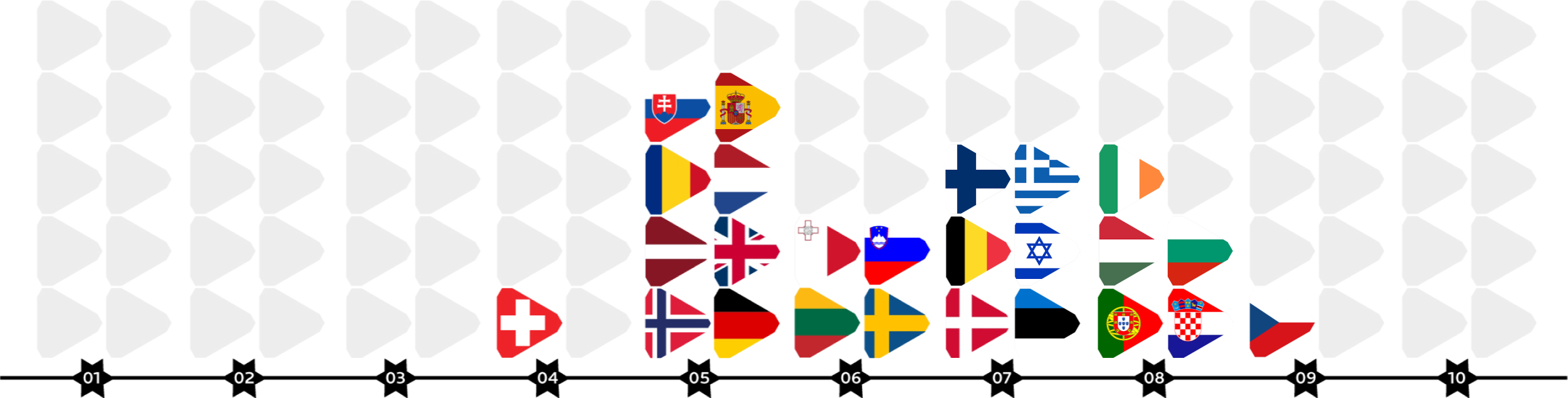
Simplification of procedures  |
There is a moderate level of agreement among the countries regarding the necessity for
simplification. Many countries
recognize the need to streamline processes and reduce administrative burdens, indicating a
collective desire for
enhancements. However, there are notable differences in the extent of desired changes, with
countries like Türkiye and
Denmark advocating more substantial reforms compared to others that focus on maintaining
existing frameworks with minor
adjustments. |
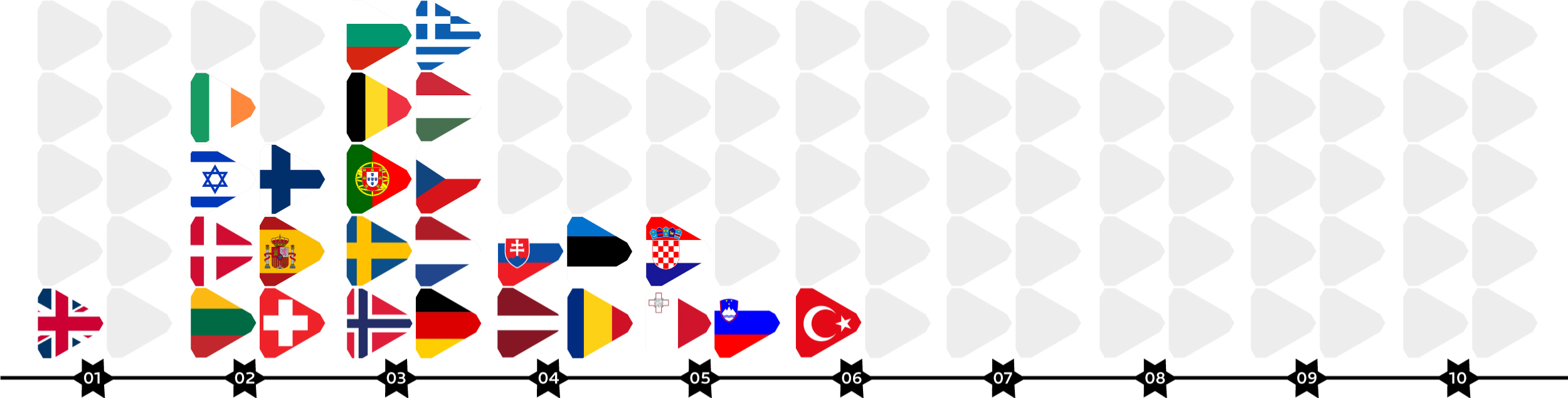
European Research Council  |
There is a very high level of agreement among the countries regarding the importance of the
ERC in the European Research
landscape. Most countries share a strong appreciation for maintaining and enhancing the
ERC’s funding and role in
promoting excellence in research. There are only moderate differences in the specifics
concerning access and
implementation, with some countries highlighting the need for better integration and
accessibility for underrepresented
nations. |
Collaborative Research  |
The positions reflect a moderate level of agreement among the countries regarding the
importance of collaborative
research in Pillar 2. While most support the continuation and enhancement of collaborative
frameworks, some countries,
such as Türkiye and Latvia, express stronger desires for reforms, particularly in areas of
funding, while others prefer
maintaining existing structures with minor improvements. There is a clear consensus on the
necessity of intersectoral
cooperation to address societal challenges, even amid variations in approach and focus. |
EU-Missions 
|
The positions indicate moderate to high differences among the countries regarding the future
of missions in FP10. While
most countries recognize the importance of missions, they express varying levels of desire
for reform and restructuring.
Countries like Lithuania and Latvia show a strong inclination toward significant changes,
while others, like Norway and
Sweden, lean more towards maintaining existing structures with minor enhancements. The
overall trend suggests a call for
improved effectiveness and clarity in the implementation of missions, reflecting a desire
for adaptations that better
serve the goals of European research and innovation. |
Partnerships 
|
The assessment shows a moderate level of alignment among the countries regarding
partnerships in FP10. Many countries
recognize the importance of partnerships as key mechanisms for enhancing cooperation and
achieving strategic goals. They
advocate for improvements, simplifications, and clearer objectives while generally retaining
the essence of existing
frameworks. However, countries like Denmark and Türkiye express stronger desires for
substantial changes, reflecting
differing perspectives on the future structure and implementation of partnerships. |
EIT  |
The assessment indicates a moderate to high level of differences among the countries
regarding the future of the EIT.
Many countries stress the importance of retaining existing structures while advocating for
enhancements to improve
accessibility and effectiveness, particularly for smaller and Widening countries. Countries
like Denmark and Latvia
advocate for more significant changes, reflecting a diverse range of perspectives on how the
EIT should evolve in the
future. |
European Innovation Council  |
The assessment indicates a moderate level of agreement among the countries on the importance
of the European Innovation
Council (EIC). Most countries see the EIC as essential for fostering innovation and
emphasize the need for improvements
and reforms to enhance accessibility and support for underrepresented nations. While Norway,
Switzerland, and the United
Kingdom lean toward maintaining existing structures with minor adjustments, countries like
Türkiye and Latvia express a
stronger desire for substantial changes, reflecting varied perspectives on the future
direction of the EIC. |
International Cooperation & Research Security  |
The rating indicates a moderate to high level of differences among the countries regarding
international cooperation and
research security. Most countries emphasize the necessity of maintaining openness while
advocating for improvements to
address security risks. Some countries, particularly Türkiye and Latvia, show a stronger
inclination towards significant
changes, while others such as Norway and Switzerland lean more towards continuity with minor
adjustments. The overall
trend underscores the importance of balancing collaboration with protective measures amid
evolving global contexts. |
Intersectoral cooperation, Knowledge valorisation  |
The countries have very similar views on the importance of intersectoral cooperation and
knowledge valorisation.
Although there are some differences in the specific focus points, such as the emphasis on
optimising instruments or
harmonising regulations, there is strong agreement on the basic objectives of promoting
cooperation and improving
knowledge exploitation. |
Widening participation  |
This assessment indicates a moderate level of agreement among the countries regarding the
importance of Widening
Participation in FP10. While most countries support maintaining existing structures, many
express significant desires
for enhancements, funding increases, and streamlined processes to improve participation from
underrepresented countries.
Countries like Türkiye and Latvia advocate for more substantial reforms, while others prefer
to maintain the overall
framework with some improvements, showing variability in approach and emphasis on specific
needs within the Widening
Participation context. |